

DGCA FDTL Rules in 2026: What the Updated Duty & Rest Limits Mean for Cabin Crew

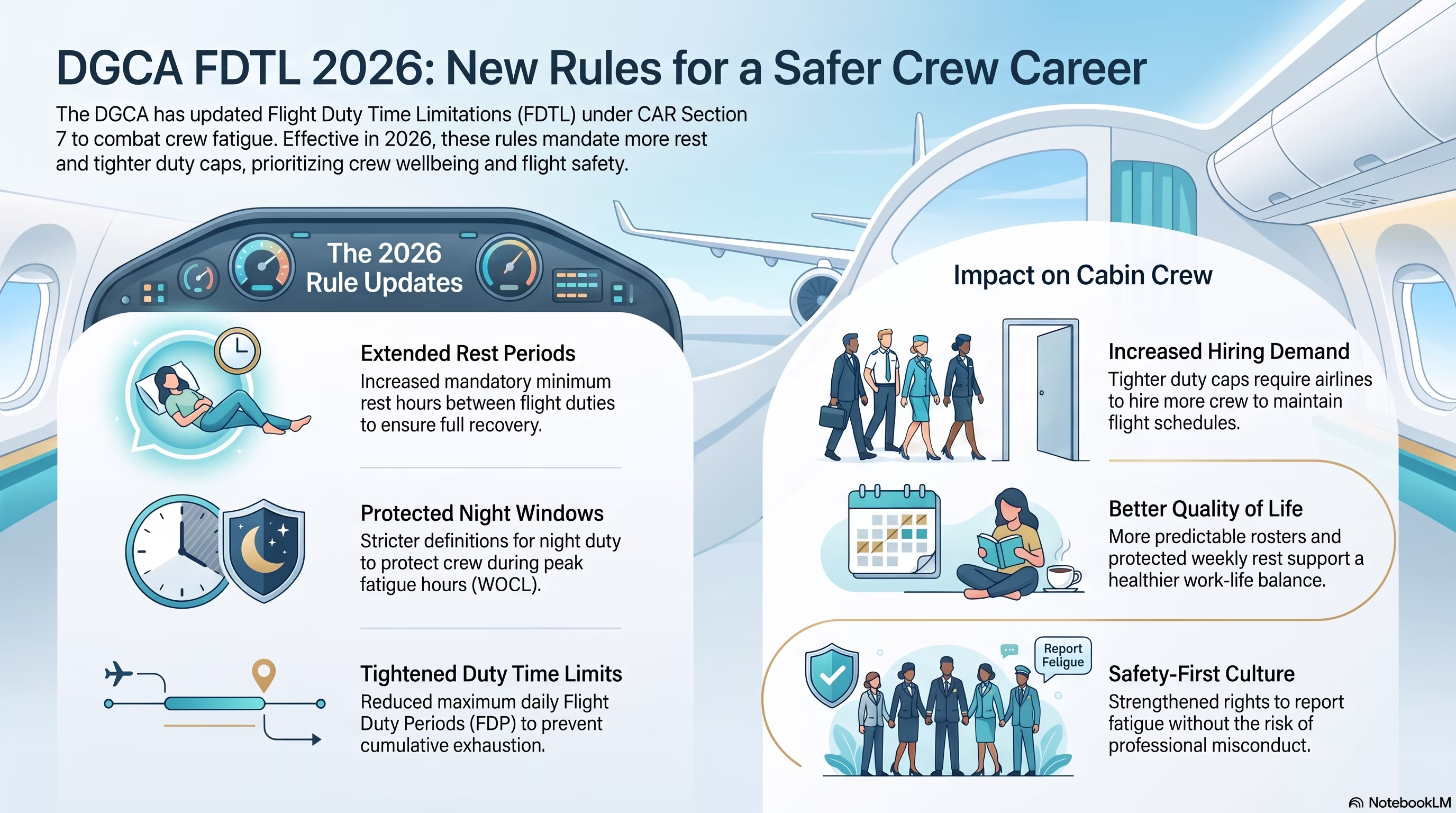
"Behind every safe, smiling cabin crew is a rulebook most passengers never see — the DGCA's Flight Duty Time Limitations. As these rules tighten in 2026, here's what's changed, why it matters for your wellbeing, and what every aspirant should understand before stepping into the role."
Glamour gets all the attention, but the foundation of a cabin crew career is safety — and a huge part of safety is making sure crew aren't flying exhausted. In India, the Directorate General of Civil Aviation (DGCA) governs this through Flight Duty Time Limitations, or FDTL. If you're training to become cabin crew, understanding FDTL isn't optional trivia; it shapes your roster, your rest, and your day-to-day life in the sky. As of early 2026, these rules have been moving in a clear direction: more protective of crew.
What is FDTL, in plain language?
FDTL is the framework that caps how long crew can be on duty, how long they can fly, and how much rest they must get between duties. It lives in the DGCA's Civil Aviation Requirements (CAR), Section 7 (Flight Crew Standards, Training and Licensing), which contains the series of requirements governing flight and duty time. The goal is simple: a well-rested crew is a safe crew. Fatigue impairs judgement and reaction time the same way alcohol does — and at 35,000 feet, that's not acceptable.
What changed in the recent revisions
Over 2024 into 2026, the DGCA revised FDTL norms after sustained concern about crew fatigue, particularly on red-eye and long-duty operations. The thrust of the changes has been longer mandatory rest, a clearer definition of what counts as 'night duty', weekly rest improvements, and a stronger emphasis on Fatigue Risk Management. The exact numbers have been subject to phased implementation and industry consultation, so always confirm the current applicable figures.
“Nice place to learn aviation course....”
| Concept | What it governs | Direction of recent change |
|---|---|---|
| Flight Duty Period (FDP) | Max time on duty involving a flight | Tightened, sector-dependent caps |
| Rest period | Minimum rest before next duty | Increased minimum hours |
| Night duty definition | Window treated as night operations | Defined more protectively (covers WOCL) |
| Weekly / cumulative rest | Days off and rolling limits | Strengthened weekly rest |
| Fatigue Risk Management | Airline systems to monitor fatigue | Greater emphasis & reporting |
"Cabin crew can be made to fly unlimited hours if the airline is short-staffed."
No. FDTL legally caps duty and flight time and mandates minimum rest. An airline cannot lawfully roster you beyond these limits, and the recent DGCA revisions have made rest requirements stronger, not weaker. These rules exist to protect you — and the passengers in your care.
Why tighter rules are good news for aspirants
Here's the counter-intuitive part. When regulators require more rest and shorter duty caps, each crew member can legally do fewer hours — which means airlines need more crew to fly the same schedule. As Indian aviation expands its fleet through 2026, tighter FDTL combined with fleet growth points toward sustained cabin-crew hiring. For someone training today, that's a structurally favourable backdrop.
Expert Insight
"Most fresher candidates talk only about service and grooming. Showing that you understand FDTL and fatigue management signals genuine professional maturity to a recruiter — it tells them you respect the safety culture of the role, not just the glamour. Practise articulating this calmly; our AI Interview Coach is a good place to rehearse."
What this means for your daily life as crew
The headline changes translate into concrete quality-of-life improvements on the ground and in the air.
- 1More predictable, protected rest between duties — better recovery and health.
- 2Clearer limits on back-to-back night flights, easing the toll of disrupted sleep.
- 3Stronger right to report fatigue without it being treated as misconduct.
- 4Rosters that legally must respect weekly rest, supporting work-life balance.
- 5A profession that increasingly treats crew wellbeing as a safety priority, not an afterthought.
How Wings prepares you for the real role
At Wings Institute in Alkapuri, Vadodara, our cabin crew training goes beyond grooming and service drills. We ground students in the safety and regulatory context of the job — including how duty and rest rules shape a crew member's working life — so you walk into interviews and into the aircraft understanding the profession, not just performing it. To be clear on compliance: Wings is a training academy issuing diplomas and certifications; the cabin crew licence and the airline's own training and checks come from the carrier and the regulator.
FDTL is one of those topics that separates a serious aspirant from a casual one. Learn it, respect it, and let it reassure you: the rules are moving in your favour, both for your wellbeing and for the number of crew the industry needs. Just remember the specifics evolve — confirm the current CAR Section 7 provisions before quoting any number.
“can i join in this aviation after 12th science ????”

yashesh patel
Verified Google ReviewFrequently Asked Questions
What exactly changed in the DGCA FDTL rules for cabin crew?
Where are FDTL rules officially defined in India?
Do the new FDTL rules affect job opportunities for cabin crew?
Can an airline force cabin crew to exceed FDTL limits?
Does Wings Institute teach the regulatory side of cabin crew work?
“Joining Wings Institute was the best decision I ever made! The environment is so positive and encouraging. The faculty gives individual attention to every student and helps polish our personality, grooming, and interview skills. Truly the best aviation and cabin crew institute in Gujarat.”
Explore Cabin Crew Training
Don't just read about it. Experience it. Use our AI tools to assess your current standing for free.
Action Now